
A closer look at SDS Hunter
SDS Hunter brings chemical safety back to recognisable situations, clear pictograms and choices around the table. Below are twelve cards from the game: real-world situations, GHS pictograms, rescue cards, action cards and the SDS card — the safety data sheet itself.
Twelve cards from the game
These twelve cards show all five kinds: SDS cards, symbol cards, situation cards, action cards and rescue cards. During a round you match hazards to the right pictogram, respond to situations and collect as many SDS cards as you can. The conversation follows by itself: what does this symbol actually mean, and what would you do if it happened for real?
-
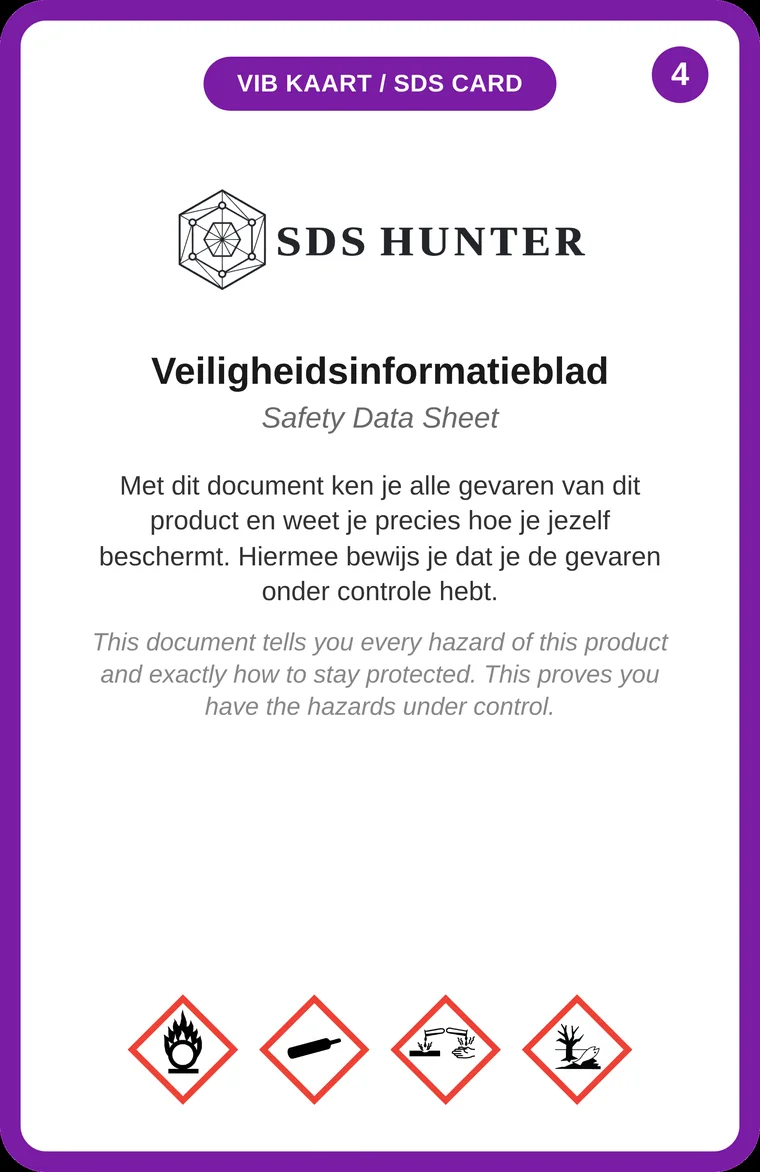 SDS card
The loot. The safety data sheet itself — you never play it, you set it down face up beside you.
-
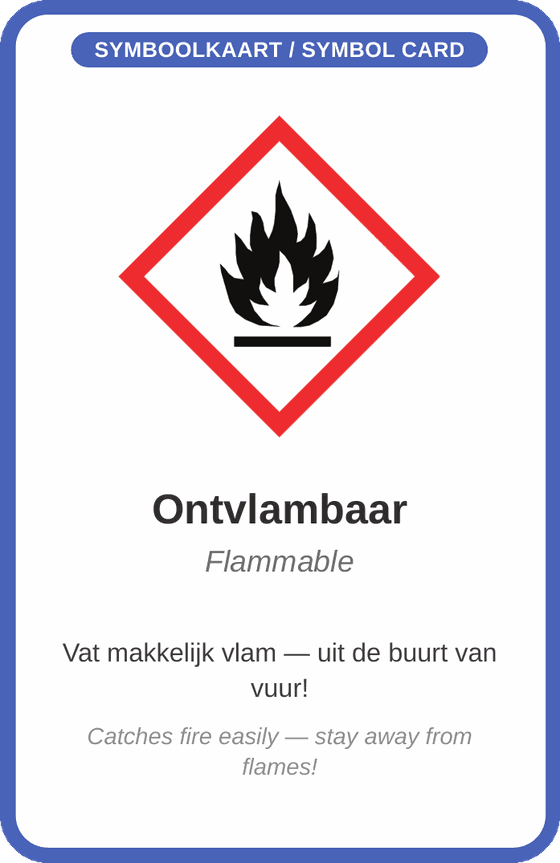 Symbol card
One pictogram, large, with its name and an explanation in plain language.
-
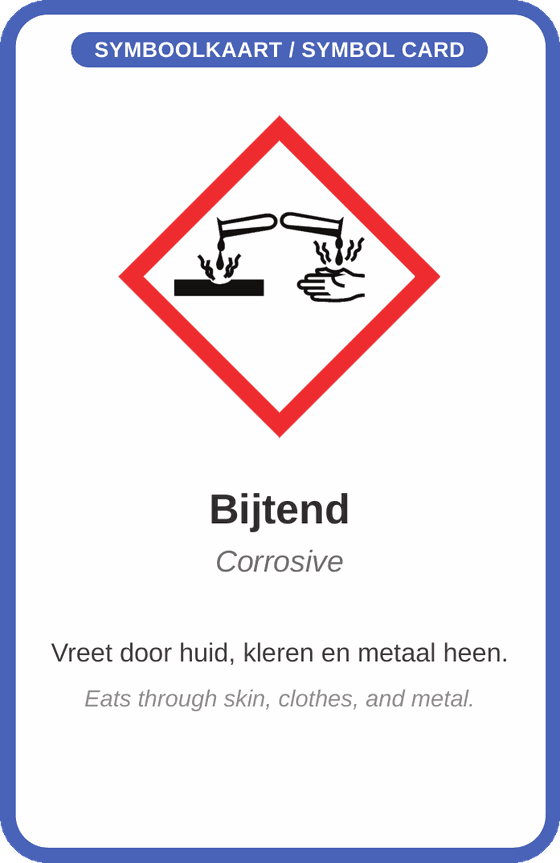 Symbol card
Nine of these, one per pictogram — they keep the shedding chain flowing.
-
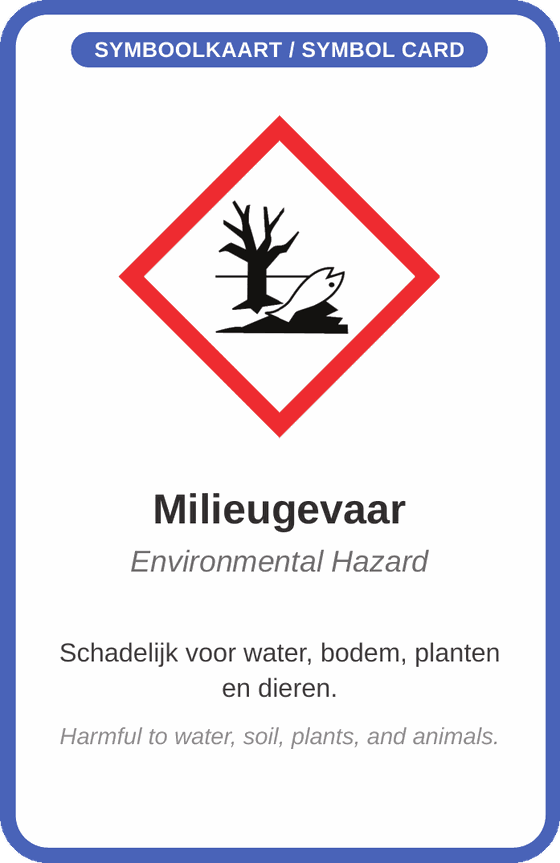 Symbol card
Including the pictogram that is not about you, but about what ends up in the ditch.
-
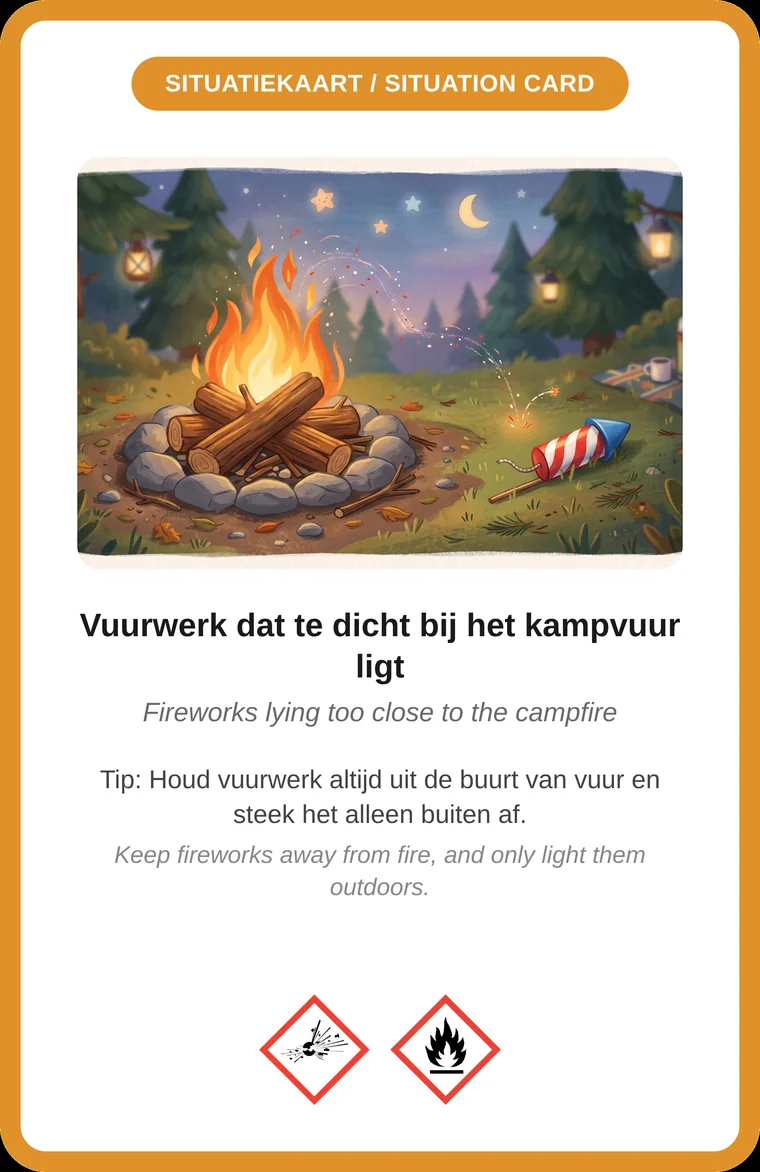 Situation card
Fireworks lying too close to the campfire. Two pictograms, and a tip telling you what to do about it.
-
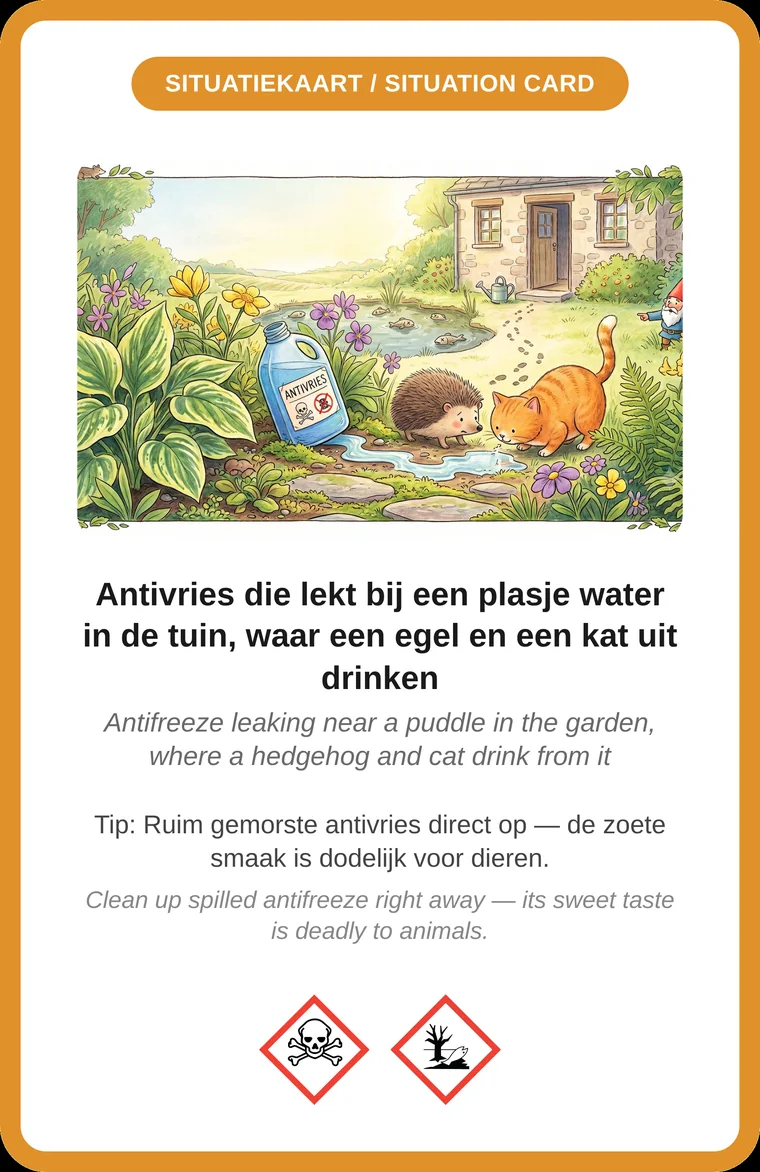 Situation card
Antifreeze leaking in the garden, where a hedgehog and a cat drink from it. The hazard you do not feel yourself.
-
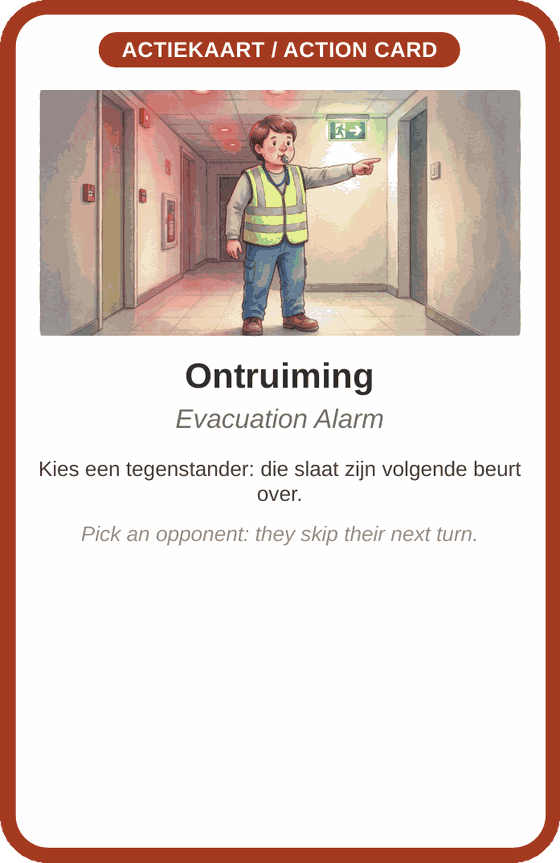 Action card
Evacuation — the light mischief: an opponent skips a turn.
-
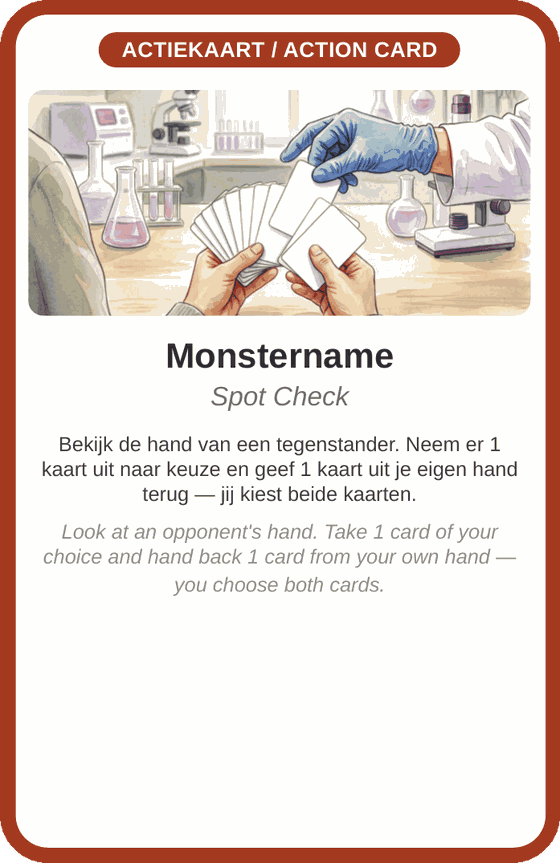 Action card
Spot check — you look at an opponent's hand and swap one card.
-
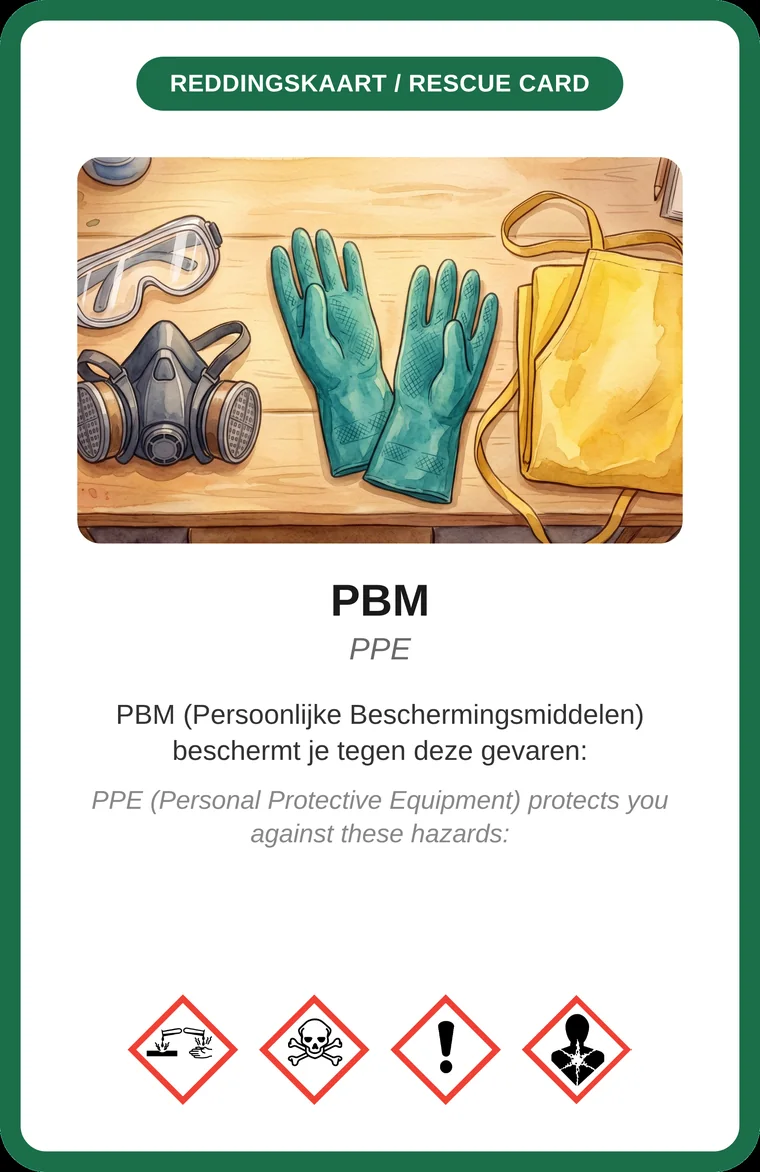 Rescue card
PPE: mask, gloves, apron. The pictograms at the bottom say what it protects against.
-
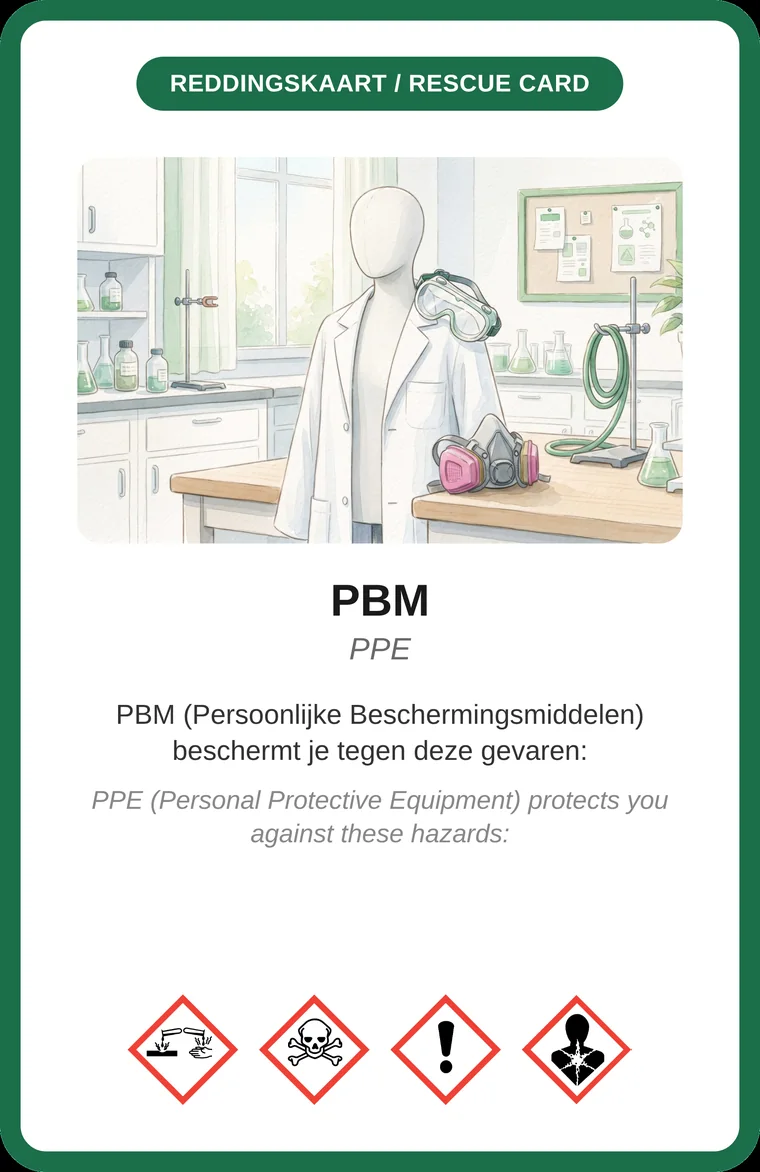 Rescue card
Different PPE, a different set of hazards. Which card you hold on to decides what you can spend at the end.
-
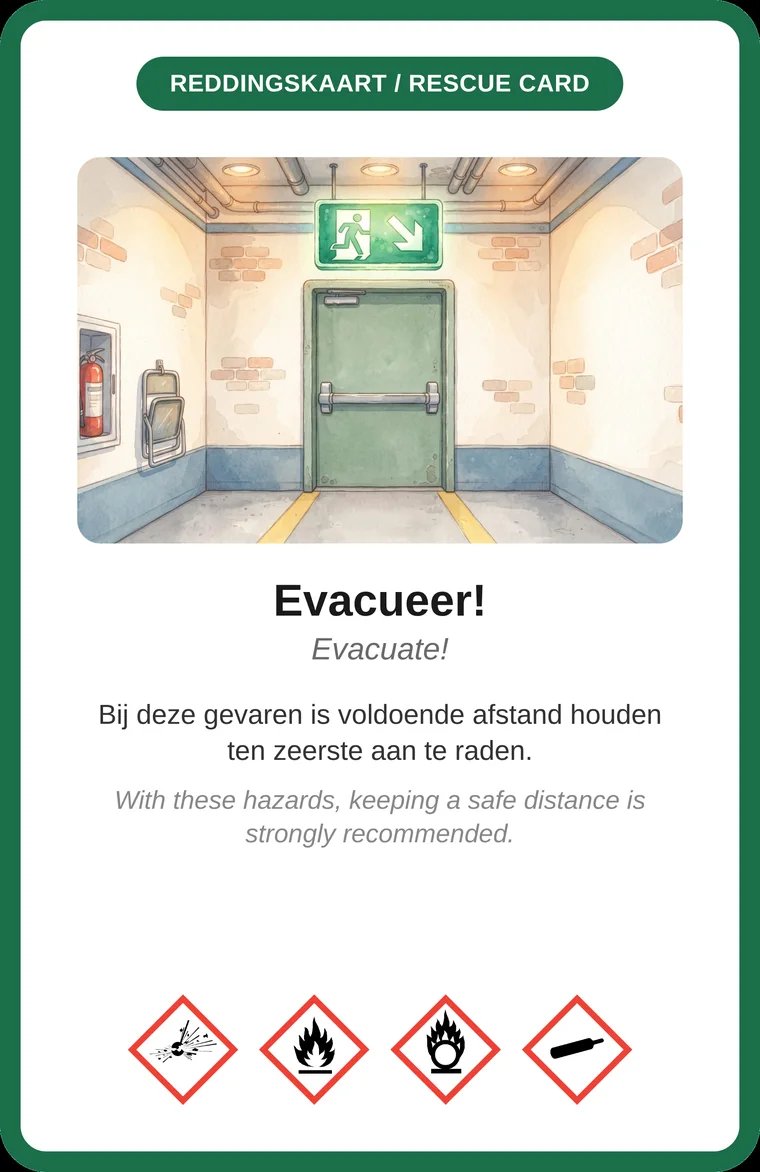 Rescue card
Evacuate! With some hazards, keeping your distance is the only right answer.
-
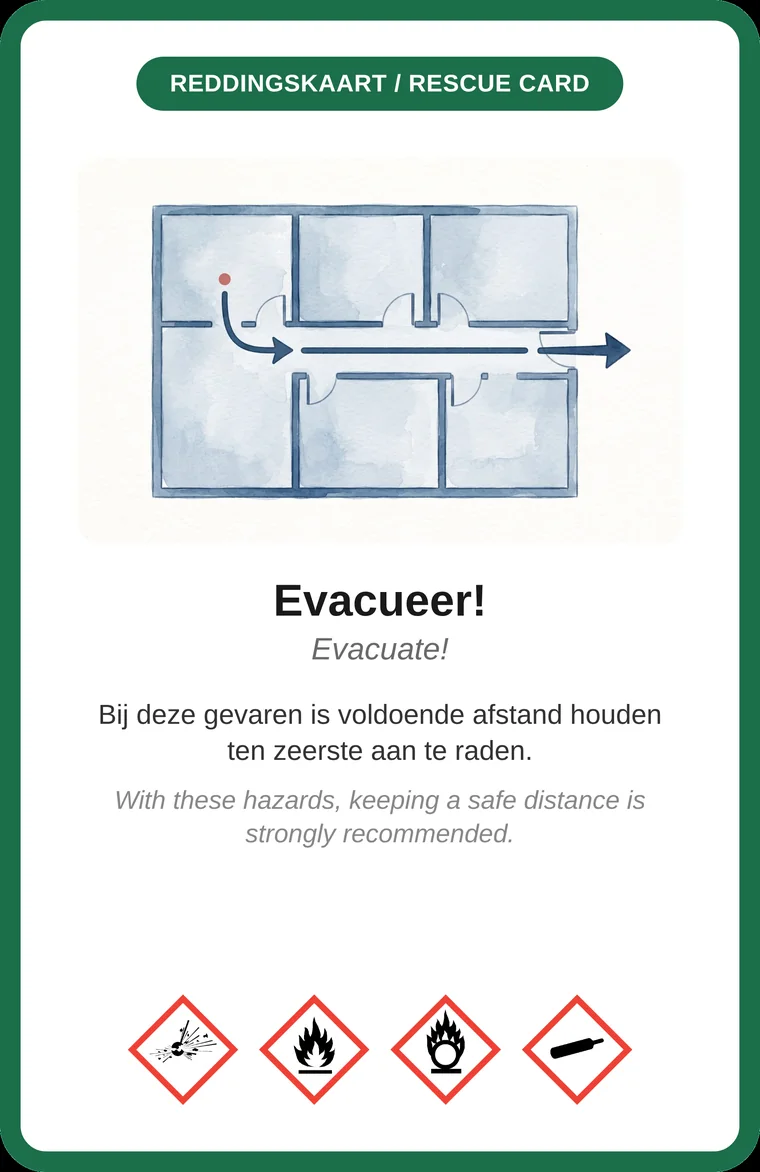 Rescue card
The same rescue, another image. Every rescue card exists in several versions.
A selection from the full game
This is an impression of the contents, the illustration style and the mechanics, not the whole deck. The game holds far more situations and card combinations than are shown here. That keeps every round different and leaves something new to spot after a few games.
The five kinds of playing card
Five kinds, each with its own colour on the bar. All five appear above.
Situation cards
Everyday scenes where things can go wrong — with the pictograms that genuinely apply, plus a concrete tip.
Symbol cards
One pictogram, large, with its name and an explanation in plain language. The filler cards that keep play flowing.
Rescue cards
PPE, Evacuate! and Cleanup kit — the three ways you actually bring a hazard under control.
Action cards
Audit, Evacuation and Spot check: light mischief, straight out of safety practice.
SDS cards
The safety data sheet itself. You never play these — you collect them, and at the end they decide who wins.
Know the symbol, know the hazard.
The situations come from work and from everyday life: from flammable substances to corrosive products and environmental hazards. You do not just have to recognise the pictogram, you have to see why it belongs to that particular situation. That makes the game a playful addition to a toolbox talk, a safety day or a chemical safety training session.
14+ · Professional awareness material. Not a toy.
The box and the card back
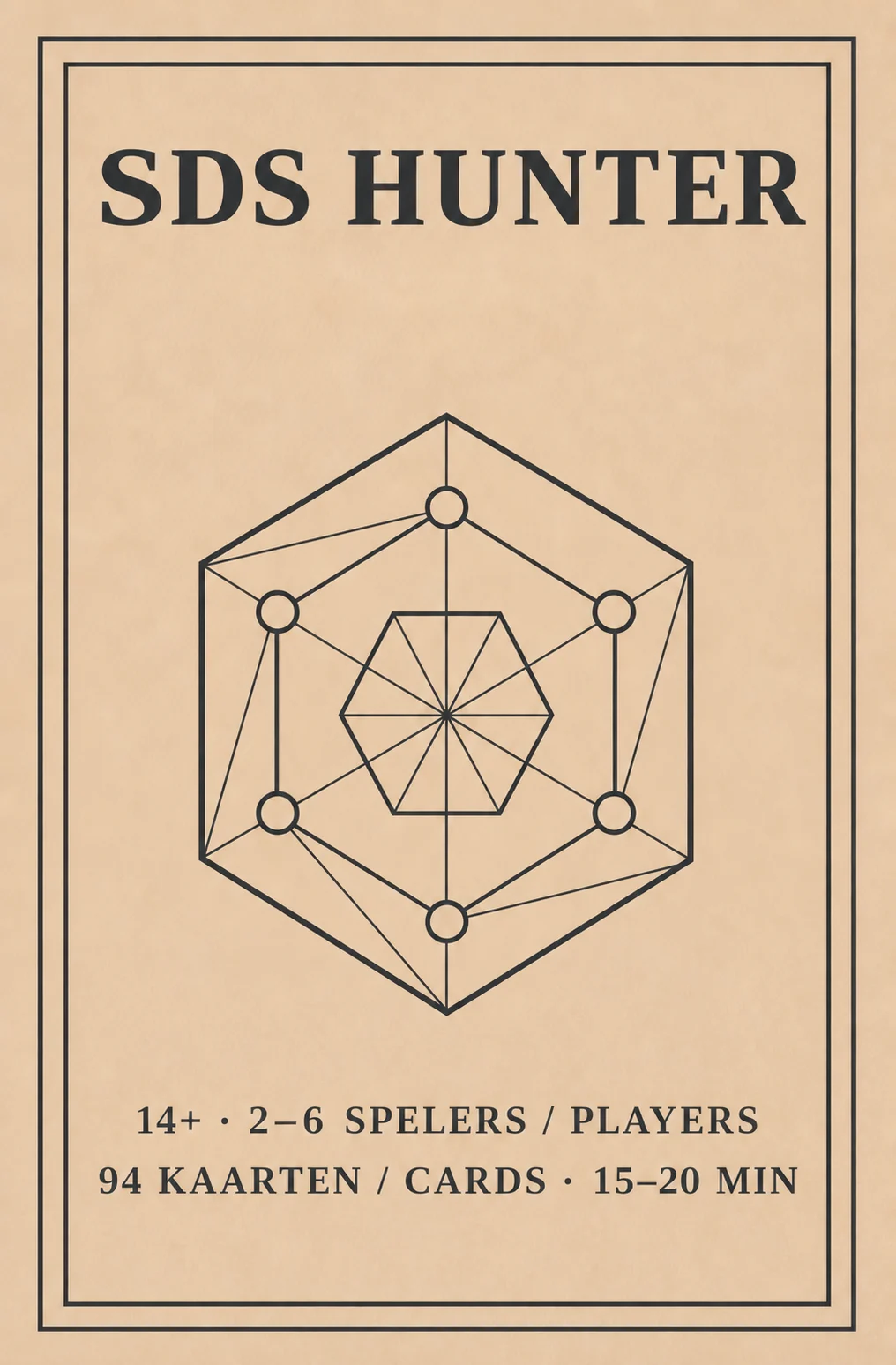
The same emblem on the box and on every card back: nine points around a single centre, one for each pictogram.
Want to see every card?
Play SDS Hunter with your team.