
Go hunting for the hidden hazards around the house
Flame, test tube, dead fish, exclamation mark… Match your card on the symbol, say out loud what you see, and collect the safety data sheets. Whoever holds the most has the dangers under control.
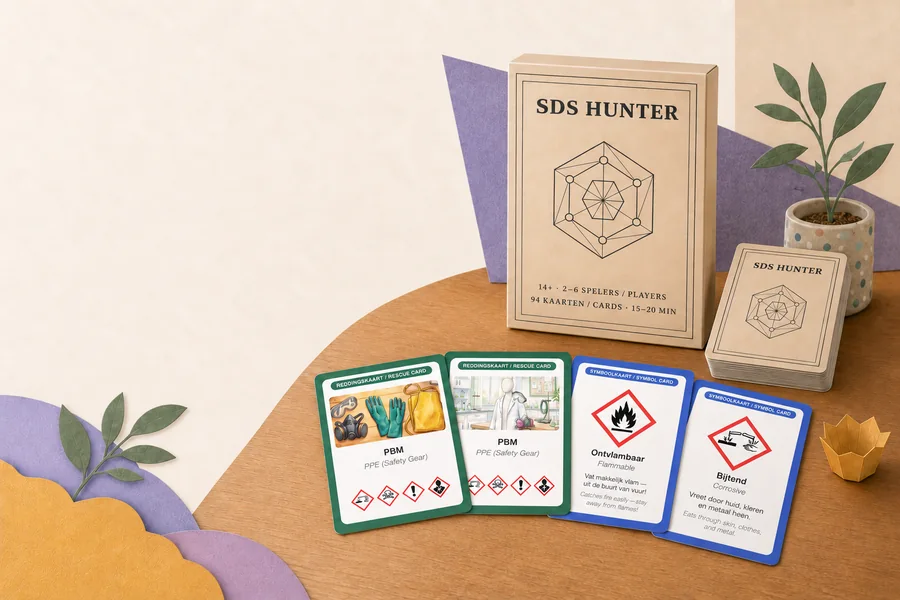
What it is
A safety lesson that never feels like one
A safety lesson that does not feel like one is a game in which you need the material to win. SDS Hunter is that game: a serious game for chemical safety in which you have to recognise the nine GHS pictograms to score. Those diamonds sit on almost every bottle: under the sink, in the shed, in the medicine cabinet. Everybody sees them, hardly anyone knows what they mean. Here you play them so often that you simply start to recognise them — and every situation card tells you right away what to do.
Explained in thirty seconds
No instruction video, no training evening: the rules fit in a few sentences and it still stays tense to the last card. Made for the canteen, the toolbox talk and the trade fair stand.
Real situations
Every card is drawn from practice and carries exactly the pictograms that genuinely apply — with a concrete tip alongside.
EN and NL on every card
Both languages are on every card. Handy at an international trade fair, and ready to use in a language lesson.
The nine hazards
They work without language: wherever in the world you pick up a bottle, the same diamond means the same hazard.
-
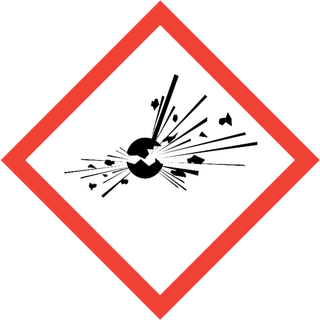 GHS01
GHS01
Explosive
Ontplofbaar
This substance can go off in one blow — from a knock, from friction, from a spark, or simply from heat. Whatever is around it goes with it. The same symbol appears on substances that decompose when heated and can then still explode.
-
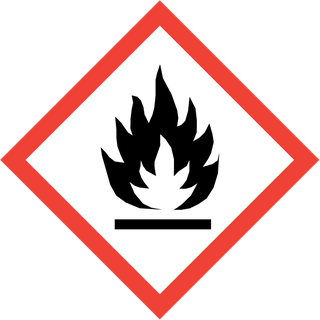 GHS02
GHS02
Flammable
Ontvlambaar
Anything that catches fire easily: gases, aerosols, liquids and their vapours, and solids. Some do not even need a spark — they ignite the moment they meet air, or they release flammable gas as soon as they get wet.
-
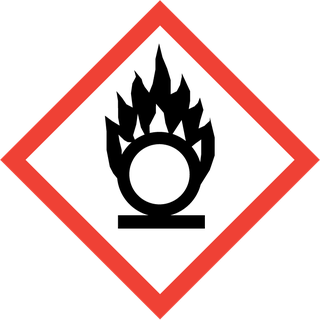 GHS03
GHS03
Oxidizing
Oxiderend
This substance does not burn itself, but it gives off oxygen. That makes an existing fire far fiercer, and gets things burning that would not burn on their own. Which is exactly why this is the pictogram people misread most often.
-
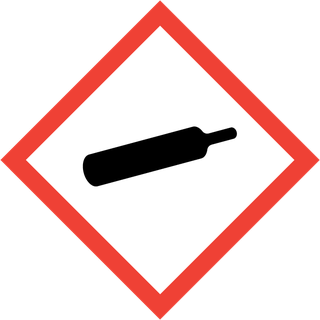 GHS04
GHS04
Gas under pressure
Gas onder druk
The contents are under high pressure, or chilled so far that they stay liquid. If the container warms up, it can burst. Refrigerated gas causes cryogenic burns the moment it touches your skin.
-
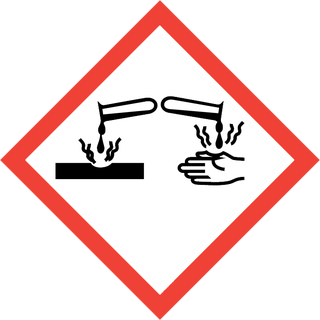 GHS05
GHS05
Corrosive
Bijtend
This substance eats into whatever it lands on: your skin, your eyes, and sometimes metal too. Eye damage can be permanent, and it happens faster than you can rinse.
-
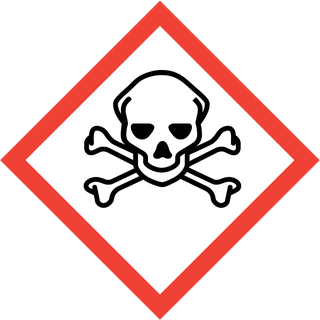 GHS06
GHS06
Toxic
Giftig
A small amount is enough to make someone seriously ill, or worse. How it gets in makes no difference: swallowing, through the skin, or breathing it in — all three routes sit under this one pictogram.
-
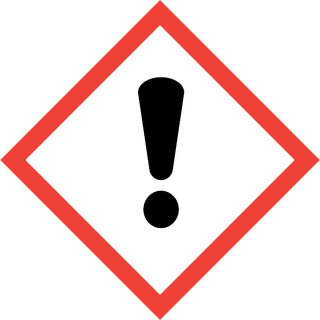 GHS07
GHS07
Health hazard
Gezondheidsgevaar
The mildest of the health pictograms, and for that very reason the most underestimated. It covers irritation of skin, eyes or airways, allergic reactions, drowsiness or dizziness, and substances that are harmful without being deadly. It also appears on substances that damage the ozone layer.
-
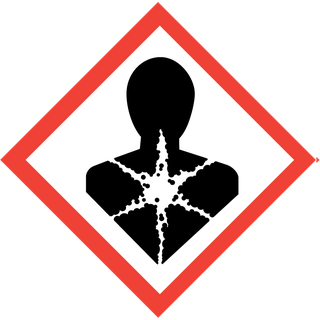 GHS08
GHS08
Serious health hazard
Ernstig gezondheidsgevaar
Harm you usually only notice much later: to your organs, your lungs, your DNA, your fertility or an unborn child. Substances that can cause cancer carry this symbol too, and substances that are fatal if you choke on them and they reach your lungs.
-
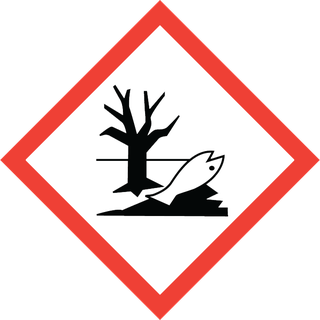 GHS09
GHS09
Environmental hazard
Milieugevaar
This pictogram is not about you, but about what happens when the substance ends up in water, soil or the drain. Harmful to everything living in water, often with effects that last a long time.
How you play
Three actions that repeat every turn — and at the end you settle up. The full rules live on the six rule cards inside the box; we are deliberately keeping those offline until launch.
- Match on a symbol A card lies on the table. Do you hold one sharing at least one pictogram with it? Put it down.
- Say out loud what you see Name the pictogram, or describe in your own words what it means. Recognition is what counts, not the exact word.
- Draw and hunt on You draw a card back. Drew an SDS? It goes face up beside you as loot straight away — and you draw a free replacement.
Just scanned the QR code on a card?
Welcome! Here you will find what the game is about, what the 9 pictograms mean and what the cards look like. The full rules are on the six rule cards inside the box.
Frequently asked questions
What is SDS Hunter?
SDS Hunter is a bilingual card game about chemical safety. You match cards on the nine GHS hazard pictograms, say out loud what you see and collect safety data sheets. A round takes 15 to 20 minutes and is explained in one.
Who is the game for?
For anyone aged 14 and up who deals with hazardous substances — on the shop floor, in the lab, in the shed. Companies use it for toolbox talks, safety days and induction programmes; it is professional awareness material, not a toy.
Do you actually learn anything?
That is the whole point. The nine pictograms stand for the same hazards the world over, yet almost nobody can name them. Because the game keeps making you decide which symbol belongs to which situation, after a few rounds you recognise them on the bottle in the cupboard too.
Can the game be made with our own logo?
Yes. The game is designed and printed in house, so your own edition is possible: your logo on the card back and the box, your own sponsor card, or situation cards from your own sector. Ask for a proposal, no obligations.
Your own edition for your organisation?
Your logo on every card, situations from your own sector, your own box. Request a proposal, no obligations.